



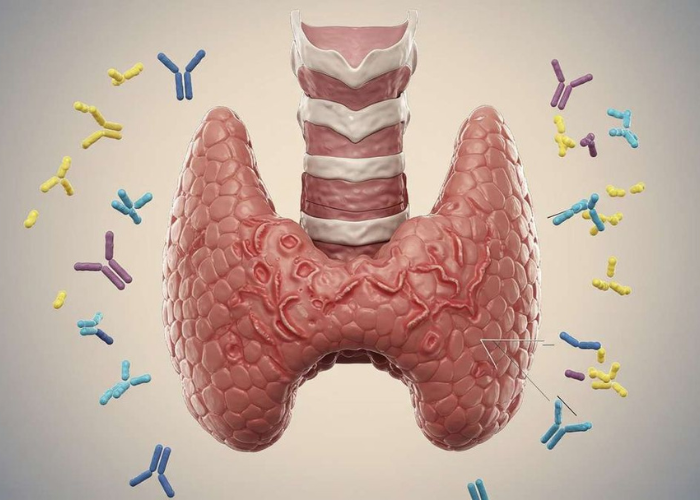
Thyroid Surgery
Thyroid surgery is a specialized procedure performed to treat disorders of the thyroid gland, which is a butterfly-shaped gland located in the neck responsible for regulating metabolism through hormone production. The surgery may be recommended for various conditions such as thyroid nodules, goiter (enlarged thyroid), hyperthyroidism, thyroid cancer, or suspicious lesions detected through imaging and biopsy. The main goal of thyroid surgery is to remove the diseased portion of the gland while preserving normal thyroid function whenever possible.
Depending on the patient’s condition, thyroid surgery can involve removing a part of the thyroid (lobectomy), the entire gland (total thyroidectomy), or, in some cases, additional nearby lymph nodes to prevent the spread of cancer. Modern thyroid surgery emphasizes minimally invasive techniques, precise surgical planning, and careful preservation of important structures such as the parathyroid glands and vocal cords to minimize complications. Patients typically experience a short hospital stay, with most able to resume normal activities within a few days. Postoperative care includes monitoring hormone levels, managing pain, and, if needed, hormone replacement therapy to maintain normal metabolic function. With advances in surgical techniques, thyroid surgery today is safe, effective, and associated with excellent outcomes.
Steps in Thyroid Surgery
- Preoperative Evaluation
- Anesthesia
- Incision
- Exposure of Thyroid Gland
- Resection
- Hemostasis and Closure
- Dressing and Drain Placement
- Recovery and Monitoring
Frequently asked questions
Most patients experience mild to moderate discomfort, which can be managed with prescribed pain medications.
Typically, patients stay 1–2 days in the hospital, depending on the type and extent of surgery.
If the entire thyroid is removed, hormone replacement therapy is necessary. Partial removal may or may not require it, depending on thyroid function.
Thyroid surgery is generally safe, but potential risks include bleeding, infection, temporary or permanent changes in voice, and low calcium levels due to parathyroid injury.