



Breast Surgery
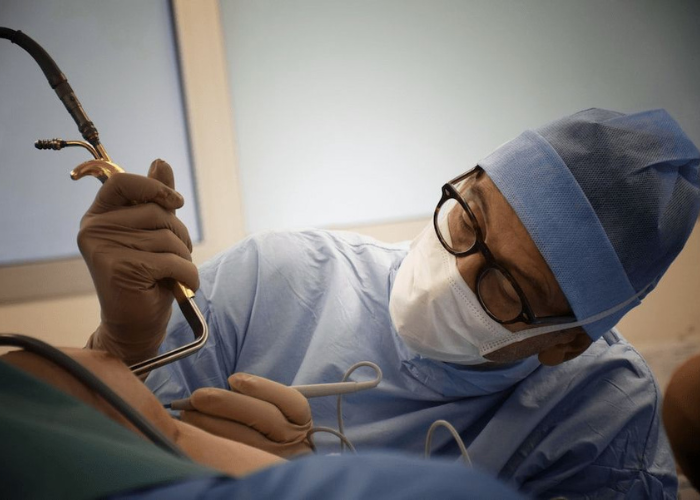
Breast surgery encompasses a variety of procedures aimed at treating benign or malignant conditions of the breast, correcting deformities, or reconstructing the breast following trauma or mastectomy. These procedures may include lumpectomy, mastectomy, breast augmentation, reduction, or reconstruction. Modern breast surgery often employs minimally invasive techniques, advanced imaging, and meticulous surgical planning to ensure optimal outcomes, both medically and cosmetically. The primary goal is to remove diseased tissue, restore breast shape and symmetry, and preserve function whenever possible.
With advancements in surgical techniques, breast surgery today emphasizes patient comfort, faster recovery, and reduced scarring. Surgeons work closely with patients to assess individual needs, discuss treatment options, and provide pre- and post-operative guidance. Recovery depends on the type and extent of surgery but generally includes short hospital stays, pain management, and follow-up care to monitor healing and prevent complications. Proper post-operative care, including wound management and physiotherapy in some cases, ensures the best functional and aesthetic results while supporting the patient’s overall well-being.
Steps in Breast Surgery
- Preoperative Evaluation
- Anesthesia
- Incision
- Tissue Removal or Reconstruction
- Implant or Reconstruction
- Closure
- Dressing and Drainage
- Recovery and Monitoring
Fibroadenoma
Fibroadenoma is a common benign (non-cancerous) breast tumor that usually occurs in young women between the ages of 15 and 35. It presents as a firm, smooth, and painless lump in the breast, which may feel rubbery and move slightly under the skin. While fibroadenomas are generally harmless and do not increase the risk of breast cancer, they can cause discomfort or concern due to noticeable swelling. The exact cause is not fully understood, but hormonal factors, particularly estrogen, are believed to play a role in their development.
Diagnosis typically involves a combination of clinical breast examination, ultrasound, and sometimes a fine-needle aspiration or core biopsy to confirm the nature of the lump. Treatment depends on the size, growth, and symptoms of the fibroadenoma. Small, asymptomatic fibroadenomas are often monitored with regular check-ups and imaging. In cases where the lump grows, causes discomfort, or raises concern for malignancy, surgical removal through a minor procedure is recommended. Modern surgical techniques, including minimally invasive excision, ensure minimal scarring and quick recovery.

Breast Cancer
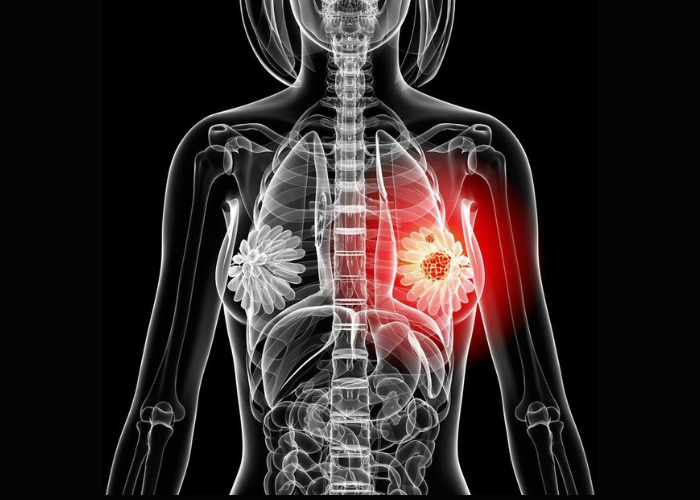
Breast cancer is a malignant tumor that develops in the breast tissue, often in the ducts or lobules, and can spread to other parts of the body if not detected and treated early. It is one of the most common cancers among women worldwide, but early diagnosis significantly improves survival rates. Risk factors include family history, genetic mutations (such as BRCA1 and BRCA2), hormonal influences, age, lifestyle factors, and certain environmental exposures.
Symptoms may include a lump in the breast or underarm, changes in breast size or shape, skin dimpling, nipple discharge, or persistent pain. Diagnosis involves a combination of mammography, ultrasound, MRI, and biopsy to confirm the presence of cancer cells. Treatment is personalized based on the type, stage, and biology of the tumor, and may include surgery (lumpectomy or mastectomy), chemotherapy, radiation therapy, targeted therapy, or hormonal therapy. Advances in breast surgery and reconstructive techniques allow for effective tumor removal while preserving breast shape and function whenever possible. Regular screening, self-examination, and timely medical consultation are essential for early detection and successful management of breast cancer.
Frequently asked questions
Most patients experience mild to moderate discomfort, which can be managed with prescribed pain medications.
Recovery depends on the type of surgery, but most patients resume normal activities within 1–2 weeks, with full recovery in 4–6 weeks.
Scarring is minimized using advanced surgical techniques, but some marks may remain. Over time, they usually fade significantly.
It depends on the procedure. Lumpectomy or minor surgeries generally do not affect breastfeeding, but extensive surgery may have an impact.