



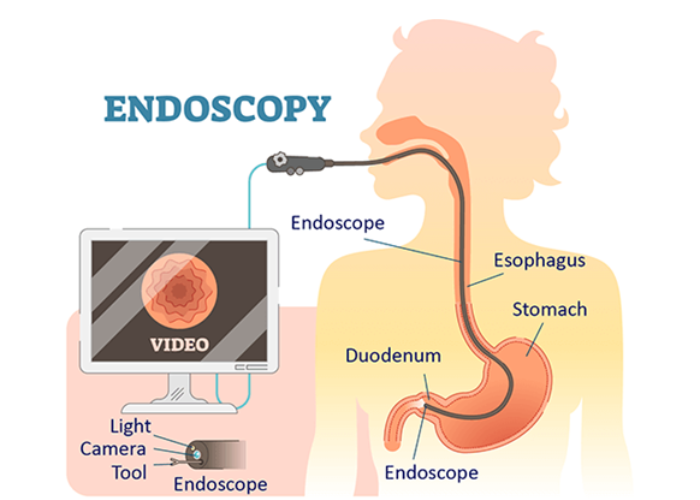
Upper GI Endoscopy
Upper GI Endoscopy is a minimally invasive diagnostic procedure used to examine the upper part of the digestive system, including the esophagus, stomach, and the first part of the small intestine (duodenum). It is performed using a thin, flexible tube called an endoscope, which has a camera and light at its tip, allowing the doctor to view the internal lining clearly on a monitor.
This procedure helps identify conditions such as acid reflux disease, gastritis, ulcers, infections, bleeding, tumors, and early-stage cancers. Upper GI endoscopy is also useful for detecting causes of persistent symptoms like abdominal pain, vomiting, difficulty in swallowing, heartburn, and unexplained weight loss. In addition to diagnosis, it can be used for therapeutic purposes such as stopping bleeding, removing foreign bodies, or taking biopsies. The procedure is usually quick, safe, and performed under mild sedation for patient comfort.
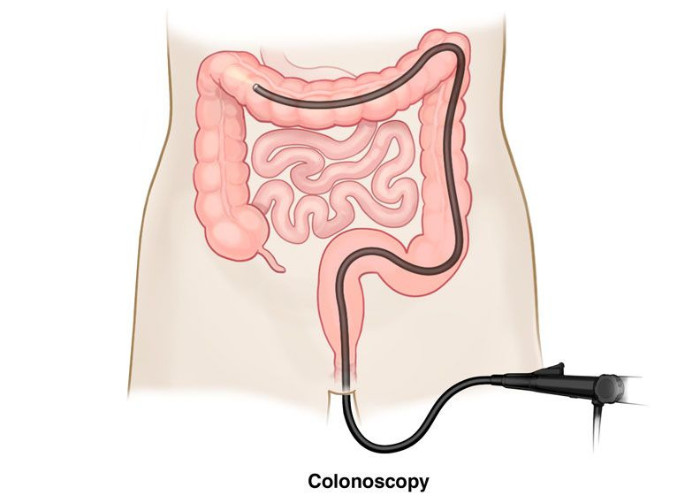
Colonoscopy
Colonoscopy is an advanced diagnostic and preventive procedure used to examine the inner lining of the large intestine (colon) and rectum. A flexible tube with a camera is gently inserted through the anus to detect abnormalities such as polyps, inflammation, ulcers, bleeding sources, and colorectal cancer.
Colonoscopy plays a crucial role in early detection and prevention of colon cancer, as polyps can be identified and removed during the same procedure before they become cancerous. It is commonly advised for patients with symptoms such as chronic constipation or diarrhea, blood in stools, abdominal pain, anemia, or unexplained weight loss. It is also recommended as a routine screening test for individuals above 45–50 years of age. Colonoscopy is a safe day-care procedure and provides accurate results with minimal discomfort.
Steps in Upper GI Endoscopy & Colonoscopy
- Patient Evaluation
- Pre-Procedure Preparation
- Procedure Explanation & Consent
- Monitoring & Positioning
- Sedation / Anesthesia
- Scope Insertion
- Internal Examination
- Biopsy or Therapeutic Intervention
- Scope Withdrawal
- Recovery & Discharge
Available Doctor Under Surgery

Dr.G. Akshitha
MBBS, MS(General Surgery), FMAS, DMAS, FGIE(Delhi)Frequently asked questions
No, it is usually performed under local anesthesia or mild sedation, making it comfortable and painless.
The procedure typically takes 20–40 minutes, depending on findings.
Yes, mild sedation is commonly used to ensure patient comfort during both procedures.
Yes, tissue samples can be taken safely during the procedure for further analysis.